slogan
专业知识问答平台!
清明节是中国的传统节日,主要习俗包括扫墓、祭祖、踏青、放风筝和吃青团。扫墓是清明节最重要的活动,人们会去祖先的墓地进行祭拜。祭祖则是通过摆放供品和烧纸钱来表达对先人的怀念。踏青是春天外出郊游的活动,人们会去公园或郊外享受大自然的美景。放风筝是清明节的传统娱乐活动,人们会放飞各式各样的风筝。吃青团则是清明节的特色食品,用艾草汁和糯米粉制成,象征着春天的生机。
The Qingming Festival, a significant holiday in China, is steeped in traditions and activities that reflect the culture's respect for ancestors and the changing seasons. Here is a curated list of English vocabulary related to the Qingming Festival:
Qingming Festival - This festival is also referred to as Tomb-Sweeping Day, a time when people commemorate their ancestors. It's a period to honor the memory of loved ones who have passed away.
Tomb-Sweeping - A pivotal custom during Qingming, tomb-sweeping involves the cleaning of gravesites and paying respects to deceased relatives. This act is a demonstration of filial piety and remembrance.
Spring Outing - With the onset of warmer weather and nature's revival, spring outings, or "taqing," are a popular way to appreciate the beauty of spring. Families and friends often take this opportunity to enjoy the outdoors.
Kite Flying - A traditional activity during Qingming, kite flying is especially enjoyed by children. It symbolizes the release of bad luck and the embrace of good fortune.
Planting Willows - The act of planting willow trees during the festival represents the cycle of life and renewal. It's a practice that connects people with the natural world and the passing seasons.
Sweet Green Rice Ball - Known as "qingming tuanzi" in Chinese, these are traditional glutinous rice balls often consumed during Qingming. They are a symbol of the season and are enjoyed by many.
Spiritual Money - Also known as "joss paper," spiritual money is a paper currency burned as an offering to the deceased. It is believed to provide for the ancestors in the afterlife.
Grave - The final resting place of the deceased, graves are visited and maintained during the tomb-sweeping tradition. This practice ensures that the memory of the departed is kept alive.
Clear and Bright - This term translates the Qingming solar term, which typically occurs around April 5th. It signifies the time for the festival and the arrival of spring.
Ancestor Worship - Paying respect to ancestors is a significant aspect of the Qingming Festival. It is a practice that reinforces family bonds and the importance of honoring one's lineage.
Cultural Significance - Beyond China, the Qingming Festival's influence extends to other Asian countries like Japan and Korea, where similar spring rituals are observed. In various regions of China, additional traditional activities such as folk dancing and swinging are part of the festival's celebration, showcasing the richness of Chinese cultural heritage. The Qingming Festival also serves as an important occasion for family reunions and the continuation of filial traditions.
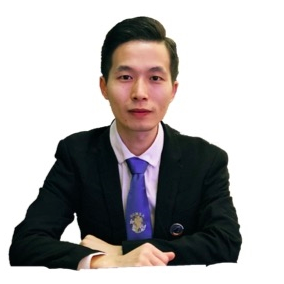
This insight into Qingming Festival customs and vocabulary is provided by Mr. Wu, offering a deeper understanding of the holiday's significance and practices.
温馨提示:考试政策持续调整,本站信息仅供参考。如有异议,请考生务必以权威部门最新公布的文件为准。